Unlock Perfect Fresh Pumpkin Puree: Your Easy Guide
Have you ever wondered what truly separates a good pumpkin pie from an unforgettable one? Or perhaps why some pumpkin soups burst with vibrant flavor while others fall a little flat? The secret, more often than not, lies in the puree. While canned pumpkin puree is undeniably convenient, nothing quite compares to the nuanced flavor, vibrant color, and superior texture of
fresh pumpkin puree made from scratch. If you're ready to elevate your culinary creations and discover the simple pleasure of homemade, then you're in the right place. This comprehensive guide will walk you through *how to make fresh pumpkin puree* effortlessly, transforming humble squash into a versatile kitchen staple.
Why Bother with Fresh Pumpkin Puree?
The first question many ask is, "Is it really worth the effort?" The answer is a resounding yes! Once you experience homemade, it's hard to go back. Here’s why:
- Superior Flavor Profile: Fresh puree offers a naturally sweeter, more complex, and earthier flavor compared to its canned counterpart. Canned pumpkin can sometimes have a slightly metallic or bland taste due to processing and storage.
- Vibrant Color and Texture: Homemade puree boasts a beautiful, rich orange hue and a silky-smooth texture that often surpasses the sometimes-dull color and slightly stringy consistency of canned varieties.
- Control Over Ingredients: When you make it yourself, you know exactly what's in it – just pumpkin! No additives, preservatives, or hidden sugars. This is especially important for those with dietary restrictions or who prefer a clean eating approach.
- Cost-Effective: Especially during harvest season, whole pumpkins can be incredibly inexpensive, making homemade puree a budget-friendly option.
- Sense of Accomplishment: There's a genuine satisfaction in creating something from scratch that tastes infinitely better. You'll understand why many chefs and home bakers insist on it.
For more reasons why it triumphs over store-bought, delve into why
homemade pumpkin puree is better than canned and so easy to achieve.
Choosing the Right Pumpkin: Not All Pumpkins Are Created Equal
Before you even think about *how to make fresh pumpkin puree*, you need the right pumpkin. Resist the urge to grab the giant carving pumpkins you see around Halloween. While festive, these are bred for their size and thin walls, not for their culinary merit. They tend to be watery, stringy, and lack flavor.
Instead, look for:
- Pie Pumpkins (also known as Sugar Pumpkins or Sweet Pumpkins): These are smaller, typically weighing between 2-8 pounds. They have dense, sweet flesh, less stringiness, and a much richer flavor profile. Their skin is usually a darker orange.
- Other Winter Squashes: Many varieties of winter squash can be used interchangeably with pie pumpkins for puree, often yielding even richer flavors. Consider using:
- Butternut Squash: Very common, sweet, and creamy.
- Kabocha Squash: Nutty, sweet, and has a drier texture, excellent for puree.
- Red Kuri Squash: Sweet, chestnut-like flavor, and vibrant orange flesh.
- Hokkaido Pumpkin: Similar to Kabocha, very flavorful.
Tips for Selecting the Best Pumpkin:
- Check for Firmness: The pumpkin should feel heavy for its size and have no soft spots.
- Intact Stem: A healthy, intact stem indicates the pumpkin was properly harvested and will store better.
- Even Skin Tone: Look for a pumpkin with smooth, unblemished skin. Minor imperfections are fine, but avoid large gashes or mold.
Step-by-Step Guide: How to Make Fresh Pumpkin Puree
Now for the main event! Follow these simple steps to transform your chosen pumpkin into luscious puree.
Preparation: Cleaning and Cutting
The initial prep is key to a smooth process.
- Wash Thoroughly: Rinse the outside of your pumpkin under cold running water. Scrub away any dirt with a vegetable brush.
- Cut with Caution: Place the pumpkin on a sturdy cutting board. Using a large, sharp chef’s knife, carefully cut the pumpkin in half. If the pumpkin is very hard, you might need to use a mallet to gently tap the back of the knife blade. Alternatively, you can pierce the skin and microwave the whole pumpkin for 2-3 minutes to soften it slightly, making it easier to cut.
- Scoop Out Seeds and Pulp: Use a sturdy spoon (an ice cream scoop works wonderfully) to scrape out all the seeds and fibrous strands from the pumpkin cavity. Don't discard the seeds; they can be roasted for a delicious snack!
Cooking Methods: Roasting vs. Steaming
While you can boil pumpkin, roasting or steaming generally yields a superior puree with less water retention and more concentrated flavor. Roasting is usually preferred for its caramelization, which deepens the sweetness.
Method 1: Roasting (Recommended for Best Flavor)
Roasting brings out the natural sugars and creates a richer, more flavorful puree.
- Preheat Oven: Preheat your oven to 400°F (200°C).
- Prepare for Roasting: Line a baking sheet with parchment paper or a silicone mat for easy cleanup. Place the pumpkin halves cut-side down on the prepared baking sheet. You can add a small amount of water (about 1/4 inch) to the baking sheet to create a steaming effect, which helps tenderize the pumpkin while it roasts.
- Roast Until Tender: Roast for 45-60 minutes, or until the flesh is very tender when pierced with a fork and the skin can be easily peeled away. Cooking time will vary depending on the size and density of your pumpkin. The edges might even get slightly browned, which adds to the flavor.
- Cool: Remove the pumpkin from the oven and let it cool completely. Once cool enough to handle, scoop the soft flesh away from the skin using a spoon. The skin should peel off easily.
Method 2: Steaming (Quicker, Lighter Flavor)
Steaming is a good option if you want a quicker cook time and a lighter-flavored puree.
- Cut into Pieces: After deseeding, cut the pumpkin halves into smaller chunks, about 2-3 inches. This will speed up steaming.
- Steam: Place the pumpkin chunks in a steamer basket over boiling water. Cover and steam for 15-25 minutes, or until the flesh is very tender.
- Cool and Scoop: Let the pumpkin cool slightly, then scoop the flesh from the skin.
Pureeing for Perfection
Once your pumpkin is cooked and cooled, it's time to transform it into that silky smooth puree.
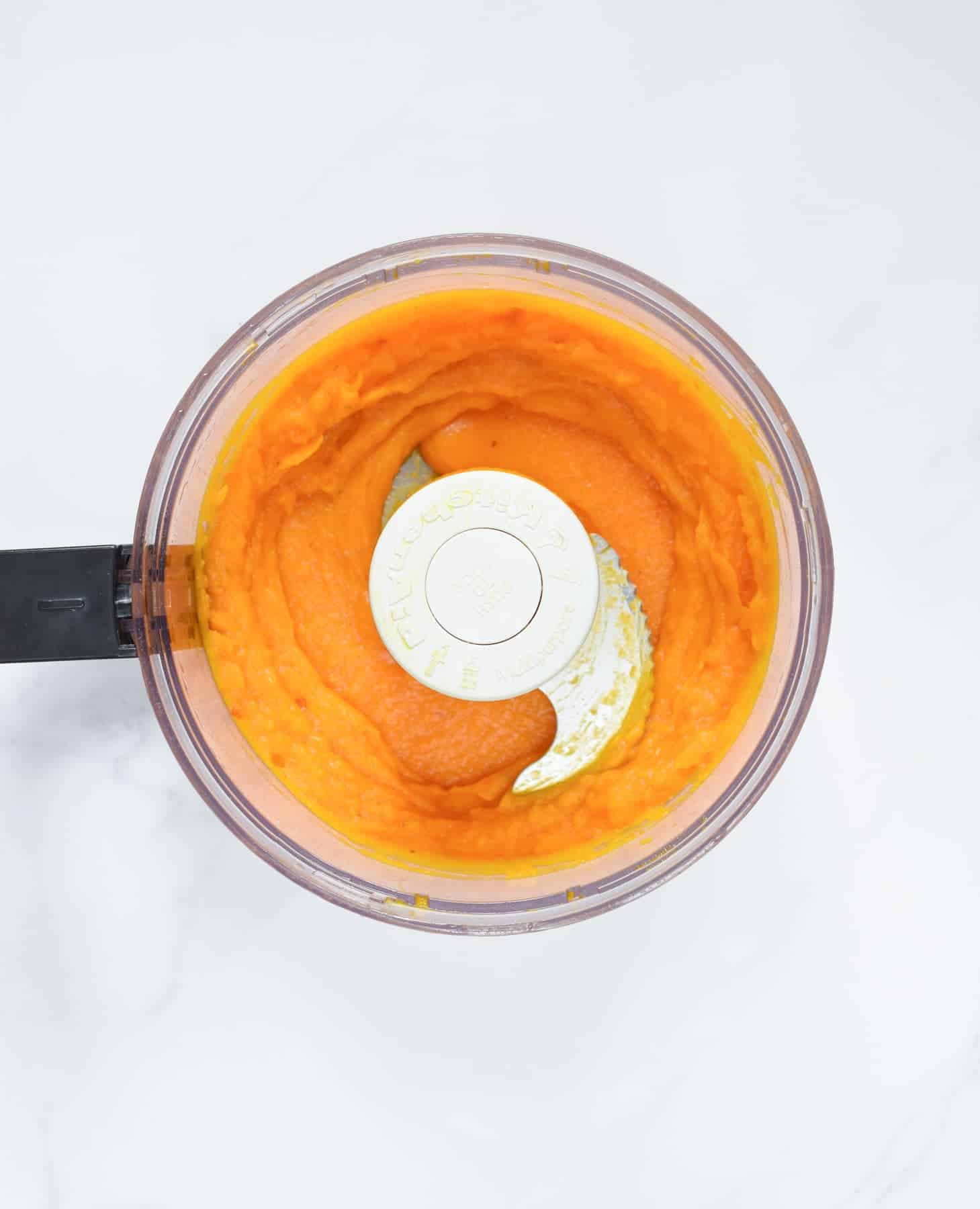
- Process: Place the cooked pumpkin flesh into a food processor or a high-speed blender.
- Blend Until Smooth: Process until completely smooth. Depending on your pumpkin and chosen cooking method, you might need to add a tablespoon or two of water to help the blades move, but avoid adding too much, as it can make your puree watery. Blend until there are no lumps remaining.
- Strain (Optional but Recommended for Baking): Fresh pumpkin puree often contains more moisture than canned. For recipes where moisture content is critical (like pies or cheesecakes), you might want to drain some excess liquid. Place the puree in a fine-mesh sieve lined with cheesecloth and set it over a bowl for at least 30 minutes, or even a few hours in the refrigerator. Gently press down on the puree to encourage more liquid to drain. This step ensures your baked goods aren't too soggy.
Storage and Freezing Your Homemade Gold
You've put in the effort, now let's make sure your delicious puree lasts!
- Refrigeration: Store fresh pumpkin puree in an airtight container in the refrigerator for up to 5-7 days.
- Freezing: This is the best way to preserve your puree for long-term use.
- Portioning: For convenience, measure out your puree into desired portions (e.g., 1-cup or 2-cup amounts, equivalent to standard canned sizes).
- Freezer Bags: Spoon portions into freezer-safe bags, removing as much air as possible before sealing. Lay them flat on a baking sheet in the freezer until solid, then stack to save space.
- Ice Cube Trays: For smaller portions (great for smoothies or baby food), freeze puree in ice cube trays. Once solid, transfer the cubes to a freezer-safe bag.
- Containers: You can also freeze in airtight, freezer-safe containers, leaving about an inch of headspace for expansion.
Properly stored, frozen pumpkin puree will last for 6-12 months. Thaw in the refrigerator overnight before use.
Creative Uses for Your Homemade Pumpkin Puree
The beauty of homemade pumpkin puree lies in its versatility. It's not just for pie!
- Baking:
- Classic Pumpkin Pie and Cheesecake
- Muffins, Bread, Scones, and Cookies
- Pancakes and Waffles
- Pumpkin Spice Lattes (the real deal!)
- Savory Dishes:
- Creamy Pumpkin Soup or Stew
- Risotto or Pasta Sauce
- Curries or Chili
- As a thickener for gravies
- Puree can be swirled into hummus or added to quesadillas.
- Breakfast Boost:
- Add to oatmeal or yogurt
- Blend into smoothies for extra nutrients
Conclusion
Learning *how to make fresh pumpkin puree* is a skill that pays dividends in flavor, nutrition, and culinary satisfaction. It's a simple process, yet it yields a product that is vastly superior to its canned counterpart, elevating everything from your holiday baking to your everyday meals. By choosing the right pumpkin, employing simple cooking techniques, and storing it properly, you'll always have this golden ingredient at your fingertips. So go ahead, embrace the season, and unlock the perfect, pure taste of homemade pumpkin puree – your taste buds (and your family) will thank you!