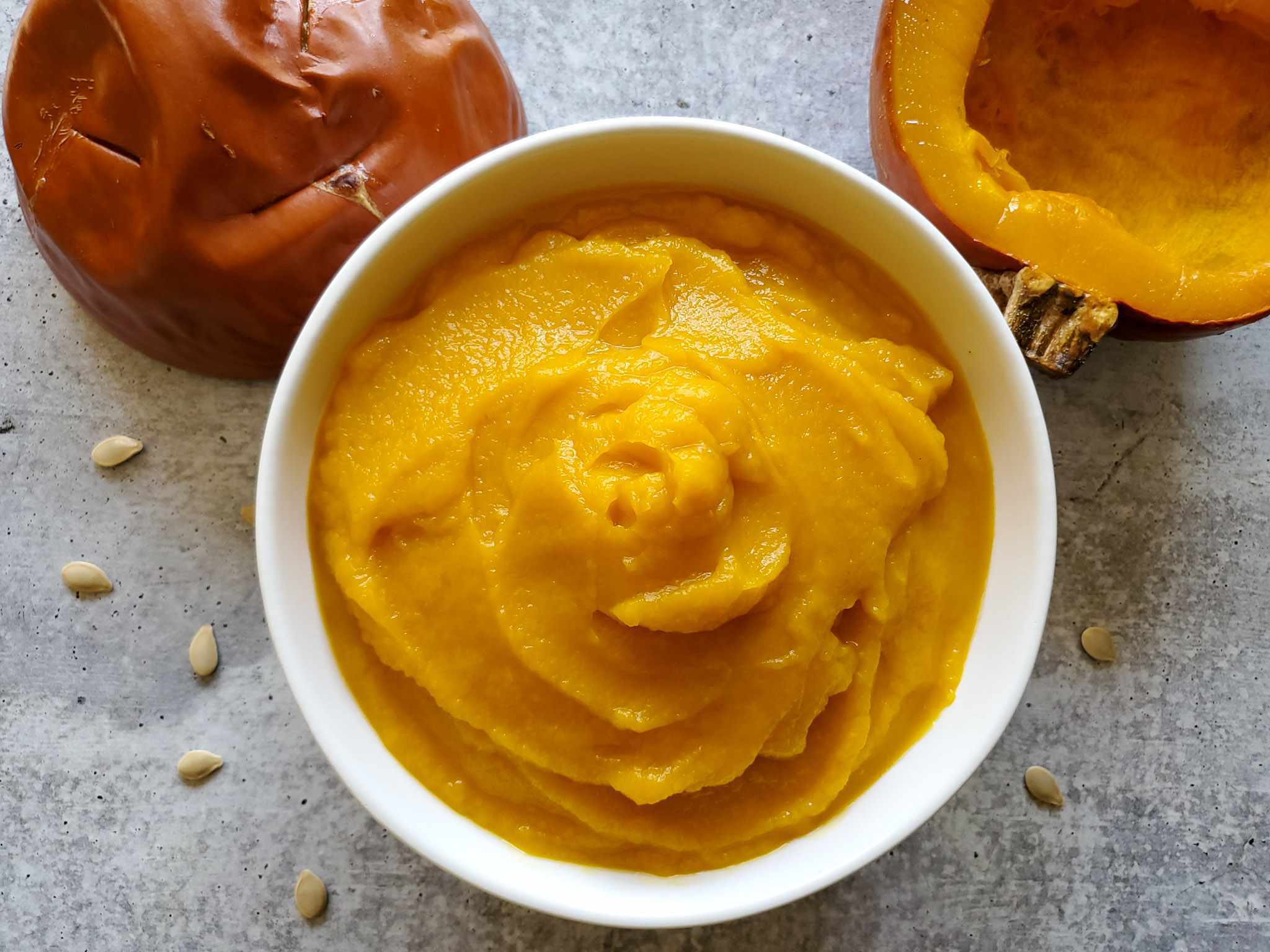
How to Make Fresh Pumpkin Puree from Scratch: Your Ultimate Guide
The autumn air fills with the aroma of pumpkin spice, signaling the return of beloved seasonal treats. While canned pumpkin puree is a convenient staple for many, there's a world of difference when you learn how to make fresh pumpkin puree from scratch. The flavor, texture, and sheer satisfaction of using homemade puree elevate any recipe, from pies and breads to soups and lattes. Forget the additives and blandness of store-bought options; embarking on this simple culinary adventure will transform your seasonal cooking.
Making your own pumpkin puree might seem like an intimidating task, but we promise it's surprisingly straightforward and incredibly rewarding. This comprehensive guide will walk you through every step, ensuring your homemade puree is perfect for all your fall culinary creations. Get ready to experience the true taste of autumn!
Why Bother with Fresh Pumpkin Puree? The Taste Difference is Real!
You might be wondering, "Is it really worth the effort to make pumpkin puree from scratch when canned is so readily available?" The answer, without a doubt, is a resounding yes. The difference in taste and quality between fresh and canned pumpkin puree is substantial. Canned pumpkin, while convenient, often has a more muted flavor and a slightly fibrous texture. It can also sometimes contain a blend of different squash varieties, not always 100% pumpkin.
When you make your own, you gain complete control over the entire process. You choose the freshest, most flavorful pumpkins, roast them to perfection, and control the consistency. The result is a vibrant, naturally sweet puree with a depth of flavor that canned varieties simply can't match. It's less watery, richer, and boasts a truly authentic pumpkin taste that will make your pumpkin pies, muffins, and soups sing. Plus, knowing you've created such a versatile ingredient from scratch provides an unparalleled sense of accomplishment. It’s also incredibly satisfying to know exactly what’s going into your food – just pure pumpkin, no preservatives or hidden ingredients.
Choosing the Best Pumpkin for Your Puree
Not all pumpkins are created equal when it comes to making puree. Those giant carving pumpkins you see around Halloween are often too stringy, watery, and bland for culinary purposes. The secret to the best puree lies in selecting the right variety. You want pumpkins that are dense, sweet, and less fibrous.
Here are some of the best pumpkin varieties for making exquisite fresh pumpkin puree:
- Sugar Pie Pumpkins (or Pie Pumpkins): These are by far the most popular and widely recommended choice. They are small (typically 2-4 lbs), have a sweet, dense flesh, and aren't too watery. Their flavor concentrates beautifully when roasted.
- Cinderella Pumpkins (Rouge Vif d'Etampes): With their flat, squat shape and deep orange-red color, these heirloom pumpkins are not only beautiful but also boast a sweet, smooth flesh perfect for puree.
- Long Island Cheese Pumpkins: Another heirloom variety, these pumpkins resemble a wheel of cheese, with a buff-colored rind. They have a delicate, sweet flavor and smooth texture, making them excellent for baking.
- Jarrahdale Pumpkins: Hailing from Australia, these distinctive blue-gray pumpkins have a dense, sweet, and low-string flesh. They produce a wonderfully rich puree.
- Kabocha Squash (Japanese Pumpkin): While technically a squash, Kabocha is often referred to as a Japanese pumpkin and makes an incredibly delicious, naturally sweet, and smooth puree. It's a fantastic substitute if you can't find pie pumpkins.
Tip: When selecting your pumpkin, look for one that feels heavy for its size, indicating dense flesh. The skin should be firm, free of soft spots, and the stem should be intact. Avoid any pumpkins with mold or major blemishes.
Step-by-Step Guide: How to Make Fresh Pumpkin Puree
Now for the main event! Here’s a detailed, easy-to-follow guide on how to make fresh pumpkin puree that will yield delicious results every time.
Step 1: Prepare Your Pumpkin
- Wash Thoroughly: Rinse the pumpkin under cold running water and scrub off any dirt. Pat it dry.
- Cut in Half: Place the pumpkin on a sturdy cutting board. Using a large, sharp knife, carefully cut the pumpkin in half from stem to base. This can be challenging, so take your time and use caution.
- Remove Seeds and Strings: Using a spoon, scoop out all the seeds and stringy fibrous bits from both halves. You can save the seeds to roast later for a tasty snack!
Tip: For easier cutting, if your pumpkin is particularly hard, you can microwave it whole for 2-3 minutes to slightly soften the skin. This makes slicing through much safer.
Step 2: Cook the Pumpkin
There are several methods for cooking pumpkin, but roasting is generally preferred for its ability to concentrate flavors and create a sweeter, less watery puree. We'll focus on roasting, but briefly mention other options.
Method 1: Roasting (Recommended for Best Flavor)
- Preheat Oven: Preheat your oven to 400°F (200°C).
- Prepare for Roasting: Line a baking sheet with parchment paper for easy cleanup. Place the pumpkin halves cut-side down on the prepared baking sheet. You can lightly brush the skin with a tiny bit of olive oil if desired, though it's not strictly necessary.
- Roast: Roast for 45-60 minutes, or until the flesh is very tender when pierced with a fork and the skin is slightly caramelized. Cooking time will vary depending on the size and variety of your pumpkin.
- Cool: Once tender, remove the pumpkin from the oven and let it cool on the baking sheet until it's cool enough to handle, about 20-30 minutes.
Other Cooking Methods:
- Steaming: Cut pumpkin into smaller chunks, steam over boiling water until tender. This method keeps the pumpkin from drying out but can make it slightly more watery.
- Boiling: Peel, seed, and cube the pumpkin. Boil in lightly salted water until tender. This method can result in a very watery puree, so it's often the least recommended.
- Slow Cooker: Place pumpkin halves (cut-side down with about half an inch of water in the bottom of the slow cooker) and cook on high for 2-3 hours or low for 4-6 hours until tender.
Step 3: Scoop and Puree
- Scoop out Flesh: Once the roasted pumpkin is cool enough to handle, use a large spoon to scoop the soft, cooked flesh away from the skin. Discard the skin.
- Process: Transfer the pumpkin flesh to a food processor or a high-speed blender. Process until completely smooth. You may need to stop and scrape down the sides a few times to ensure an even consistency. For a super smooth puree, process for a good 2-3 minutes. If you don't have a food processor, a potato masher or immersion blender can work for a slightly chunkier puree.
- Drain Excess Liquid (Optional but Recommended): Fresh pumpkin puree can sometimes be a bit more watery than canned, especially if you plan to use it for baking where consistency is crucial. To reduce excess moisture, place the puree in a fine-mesh sieve lined with cheesecloth set over a bowl. Let it drain in the refrigerator for an hour or two, or even overnight. This step will result in a thicker, more concentrated puree that's ideal for pies and baked goods. For more tips on perfecting the consistency, you might find Unlock Perfect Fresh Pumpkin Puree: Your Easy Guide helpful.
Step 4: Storage
Proper storage is key to enjoying your homemade pumpkin puree for weeks or even months!
- Refrigeration: Store fresh pumpkin puree in an airtight container in the refrigerator for up to 5-7 days.
- Freezing: For longer storage, pumpkin puree freezes beautifully.
- Portions: Spoon the puree into freezer-safe bags, removing as much air as possible, or into airtight freezer containers.
- Ice Cube Trays: For smaller portions, you can freeze the puree in ice cube trays. Once frozen, pop out the cubes and transfer them to a freezer bag.
- Labeling: Always label your containers with the date it was made. Frozen pumpkin puree will last for up to 6-8 months in the freezer.
Troubleshooting and Pro Tips for Perfect Pumpkin Puree
- Too Watery? If your puree seems too thin, don't panic. Place it in a fine-mesh sieve lined with cheesecloth and let it drain in the refrigerator for a few hours. The excess liquid will drip away, leaving you with a thicker puree. This is especially important for baking recipes where moisture content matters.
- Not Smooth Enough? Ensure you're using a powerful food processor or blender. Process for longer, stopping to scrape down the sides. For a truly silky smooth texture, some people even pass their puree through a food mill.
- Batch Cooking: If you love pumpkin, consider making a large batch of puree when pumpkins are in season. This will save you time later and ensure you have a supply of delicious homemade puree throughout the colder months.
- Don't Waste the Seeds! After scooping, clean the pumpkin seeds, toss them with a little oil and salt, and roast them for a crunchy, healthy snack.
- Adjusting Sweetness: Fresh pumpkin puree is naturally sweet, but you can enhance its flavor for certain recipes. For savory dishes, a pinch of salt can bring out the pumpkin's earthiness. For sweet recipes, a touch of brown sugar or maple syrup can be added during the blending process.
- Embrace the Ease: Many people mistakenly believe making homemade pumpkin puree is a lot of work. In reality, much of the process is hands-off roasting time. The result is so superior, it makes the minimal effort completely worthwhile. If you're looking for more reasons to switch, Homemade Pumpkin Puree: Better Than Canned, So Easy! delves deeper into why it’s a game-changer.
Making your own fresh pumpkin puree is a delightful and rewarding culinary endeavor that brings unparalleled flavor to your seasonal dishes. By choosing the right pumpkin, following these simple steps, and applying a few pro tips, you'll be well on your way to creating a vibrant, naturally sweet, and incredibly versatile ingredient. So, skip the can this year and experience the true taste of autumn by learning how to make fresh pumpkin puree from scratch. Your taste buds, and your guests, will thank you!
